
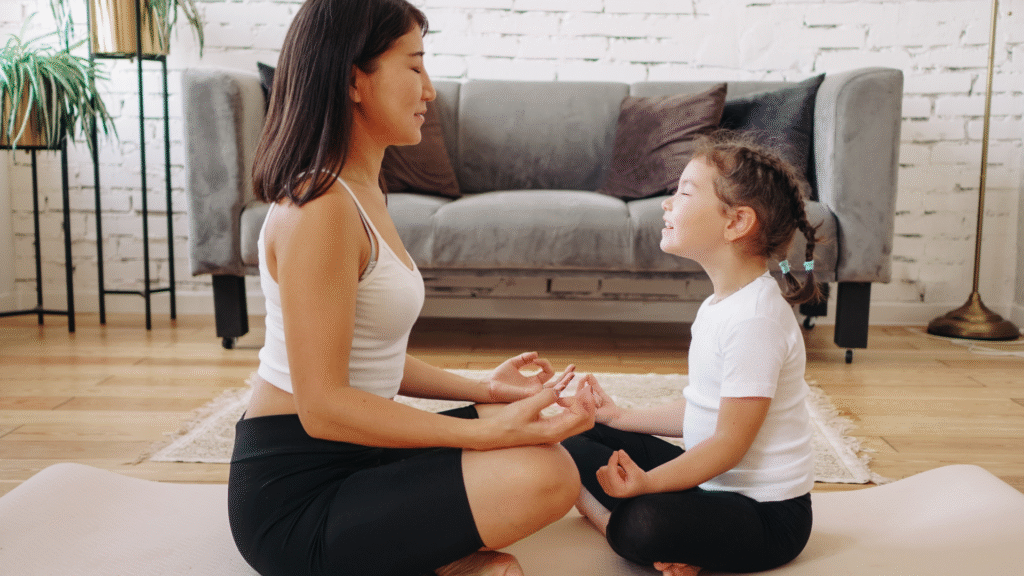
In today’s fast-paced world, introducing mindfulness to children can be a powerful tool to help them manage emotions, reduce stress, and improve focus. Practising mindfulness together also strengthens your bond and creates a calm, supportive environment at home.
What Is Mindfulness?
This independent school in London recommends mindfulness as it is the practice of being fully present in the moment, paying attention to thoughts, feelings, and surroundings without judgement. For children, this might mean noticing how their body feels when they are excited, recognising emotions like frustration or joy, or simply observing the world around them. By teaching mindfulness early, children can develop emotional resilience that benefits them throughout life.
Simple Mindfulness Exercises for Children
Introducing mindfulness doesn’t have to be complicated. Simple exercises can make it fun and engaging:
- Breathing Exercises: Encourage your child to take slow, deep breaths. You can make it playful by pretending they are blowing up a balloon or smelling a flower. This helps calm the nervous system and focus the mind.
- Body Scan: Guide your child to notice how each part of their body feels, from their toes to their head. This exercise teaches awareness and relaxation.
- Mindful Walking: Take a slow walk together, paying attention to each step and the sounds around you. Ask them to notice what they see, hear, and feel with each step.
- Mindful Eating: During snack time, encourage your child to eat slowly, noticing the taste, texture, and smell of their food. This practice fosters gratitude and attention to detail.
Benefits of Practising Mindfulness Together
Practising mindfulness with your child offers benefits beyond stress reduction. Children who engage in mindfulness are often more focused at school, better at handling conflicts, and more in tune with their emotions. For parents, sharing these moments promotes connection, communication, and mutual understanding. It also models healthy coping mechanisms that children are likely to adopt themselves.
Making Mindfulness a Habit
Consistency is key when it comes to mindfulness. Start with short sessions of just a few minutes a day and gradually increase the duration as your child becomes more comfortable. Make it enjoyable by turning it into a game, using apps or guided exercises, or incorporating mindfulness into everyday activities like bedtime routines or walks in the park.
Encouraging Curiosity and Reflection
Mindfulness is not about perfection—it’s about awareness. Encourage your child to talk about how they feel during mindfulness exercises. Ask questions like, “What did you notice about your breathing?” or “How did your body feel during the walk?” Reflecting together helps children internalise the practice and develop emotional intelligence.
Mindfulness can be a transformative tool for children, helping them navigate life with greater calm, focus, and self-awareness. By exploring mindfulness together, you are not only teaching valuable skills but also creating moments of connection and understanding that can strengthen your relationship for years to come. Start small, keep it fun, and watch as your child begins to embrace the present moment with curiosity and calm.


