Hobbies are more than just a way for children to pass the time. They play a crucial role in a child’s overall development, helping them build skills, explore interests, and develop a sense of identity. Encouraging children to engage in hobbies can have long-lasting benefits that extend well into adulthood.
Developing Skills and Talents
One of the most obvious benefits of hobbies is skill development. Whether it’s painting, playing a musical instrument, or learning a sport, hobbies give children the chance to practise and refine abilities that may not be covered in school. These activities often teach patience, focus, and persistence—qualities that are valuable both academically and personally. Over time, children may discover hidden talents and passions that could guide future career paths or lifelong interests.
Boosting Mental Health
Hobbies provide an important outlet for children to express themselves and relieve stress. Activities like drawing, writing, or gardening can be calming, offering a break from the pressures of schoolwork and social expectations. Like this independent school in Surrey does, regular engagement in hobbies has been shown to improve mood, increase self-esteem, and reduce anxiety. For children dealing with challenges or transitions, hobbies can act as a stabilising and comforting routine.
Encouraging Creativity and Imagination
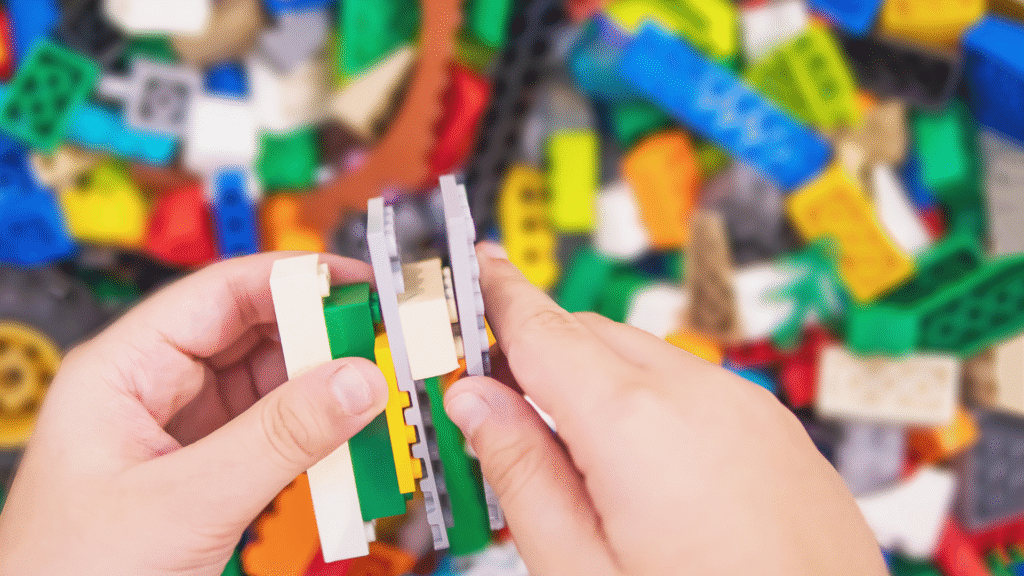
Many hobbies, particularly in the arts and crafts, encourage children to think outside the box. Creativity is not just about artistic expression; it also supports problem-solving and innovation. For example, building with LEGO or designing a simple DIY project allows children to experiment with ideas, make decisions, and learn from mistakes in a safe and enjoyable environment. Cultivating creativity through hobbies can have positive effects on cognitive development and academic performance.
Teaching Social Skills and Teamwork
Hobbies can also be highly social, helping children learn important interpersonal skills. Team sports, drama clubs, and group music lessons teach cooperation, communication, and respect for others. These activities provide opportunities for children to make friends, work together toward common goals, and handle both success and failure in a supportive setting. Learning to navigate social situations in hobby environments builds confidence that translates into other areas of life.
Encouraging a Sense of Responsibility
Many hobbies involve responsibility and commitment. For example, taking care of a pet, practising an instrument regularly, or completing a craft project from start to finish teaches children the value of dedication and accountability. These experiences help children develop time-management skills, self-discipline, and pride in their achievements. Learning to set goals and see them through can boost motivation and create a strong sense of personal accomplishment.
Hobbies are much more than simple pastimes; they are essential for the holistic growth of children. From developing skills and creativity to improving mental health and social abilities, hobbies provide a foundation for lifelong learning and personal development. Encouraging children to explore and pursue hobbies not only enriches their childhood experiences but also equips them with skills and confidence that will benefit them far into the future.