In today’s fast-paced, technology-driven world, children are often confined to indoor activities, whether it’s schoolwork, screen time, or extracurricular activities. However, there is a growing movement towards outdoor learning that emphasises the benefits of engaging children with the natural world. This approach to education goes beyond traditional classroom settings, offering numerous advantages for children’s development. Below, we explore how outdoor learning can benefit your child.
Enhances Physical Health
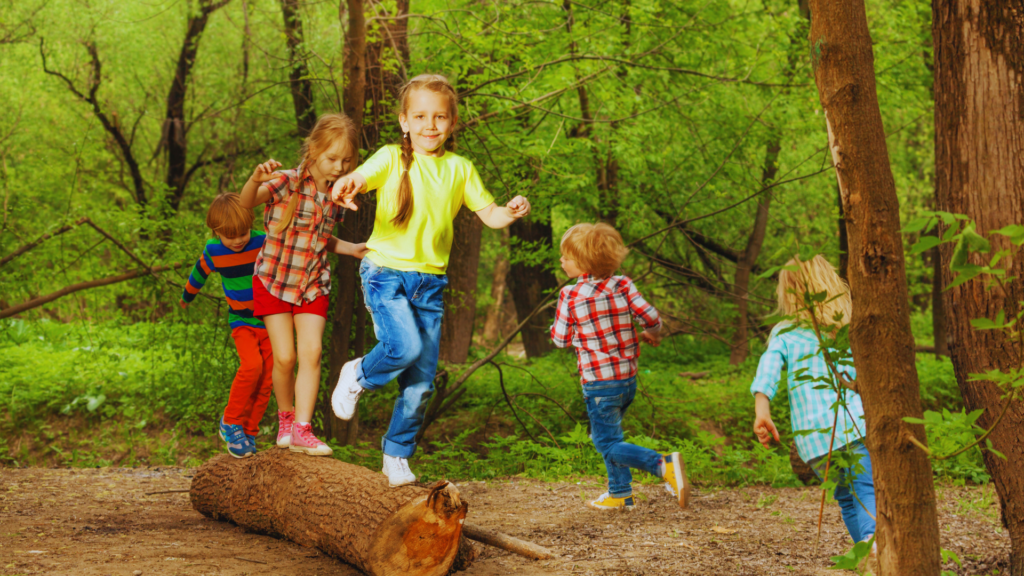
One of the most immediate benefits of outdoor learning is the improvement in physical health. Unlike sitting in a classroom or at home, outdoor learning encourages children to move, explore, and engage in physical activities. Running, climbing, jumping, and even walking on uneven terrain improves gross motor skills, balance, and coordination. Moreover, being outside allows children to soak up vitamin D from sunlight, which is essential for bone health and immune function. Regular exposure to outdoor activities can also help combat the rising trend of childhood obesity by promoting a more active lifestyle.
Boosts Mental Well-Being
Outdoor learning has profound effects on mental health and well-being. Being in nature has been shown to reduce stress, anxiety, and symptoms of depression in both children and adults. The natural environment provides a calming effect, helping children to relax and focus better. Studies have also found that outdoor learning can improve attention spans, which is particularly beneficial for children with attention deficit disorders. The sensory-rich environment of the outdoors stimulates curiosity and imagination, fostering a positive mental state that is conducive to learning and personal growth.
Promotes Social Skills and Teamwork
Outdoor learning often involves group activities that require communication, cooperation, and problem-solving. Whether it’s building a shelter, navigating a trail, or conducting a nature study, these activities necessitate teamwork. This private girl’s school recommends working together in an informal, outdoor setting as it helps children develop social skills, such as leadership, negotiation, and empathy. The collaborative nature of these activities allows children to learn how to listen to others, express their ideas, and respect different viewpoints, which are critical skills for their overall social development.
Encourages Environmental Stewardship
One of the most significant long-term benefits of outdoor learning is the development of a connection with nature and a sense of responsibility for the environment. When children spend time outside, they gain firsthand experience of ecosystems, wildlife, and the delicate balance of the natural world. This exposure fosters a sense of wonder and respect for nature, encouraging children to become environmentally conscious adults. They learn the importance of sustainability and are more likely to adopt eco-friendly practices, such as recycling, conserving water, and protecting wildlife habitats.
Stimulates Cognitive Development
Outdoor learning provides a hands-on, experiential learning environment that stimulates cognitive development. Engaging with nature requires children to observe, hypothesise, experiment, and reflect, which enhances critical thinking and problem-solving skills. Unlike traditional classroom learning, which is often abstract and theoretical, outdoor learning allows children to see the practical applications of what they are learning. This experiential approach can make subjects like science and mathematics more interesting and relevant, leading to better retention and understanding of concepts.
Fosters Creativity and Independence
The open-ended nature of outdoor learning gives children the freedom to explore and create. Without the constraints of a structured classroom, children can use their imagination to invent games, create art from natural materials, or build structures with found objects. This kind of play nurtures creativity and innovation, skills that are invaluable in today’s world. Furthermore, outdoor learning often requires children to make decisions, solve problems, and take risks, which fosters independence and self-confidence.
Incorporating outdoor learning into your child’s education can have numerous benefits, from enhancing physical and mental well-being to promoting social skills and environmental stewardship. By stepping outside the traditional classroom, children can experience a richer, more engaging learning environment that nurtures their overall development. Whether through school programs or family activities, embracing outdoor learning can help your child thrive in multiple aspects of life.