When we think of secondary school, academic success often springs to mind—GCSE results, revision schedules, and exam preparation. While education is undeniably central, a student’s school experience extends far beyond grades and textbooks. Secondary school is a critical phase of personal development, offering a wealth of opportunities to grow emotionally, socially and practically. Here’s why the value of secondary education lies not just in academic achievement, but in the whole child’s development, inspired by this secondary school in London.
Building Confidence and Independence
Secondary school plays a pivotal role in helping young people grow into confident, independent individuals. As students progress from Year 7 through to Year 11 (and often beyond), they are encouraged to take responsibility for their own learning, manage their time effectively, and make decisions about their futures. These years provide countless ‘firsts’—first presentations, first school trips without parents, first leadership roles—which all contribute to a young person’s self-belief and resilience.
Learning Life Skills Beyond the Classroom
While academic subjects teach students about the world, secondary school also prepares them for life in the world. Skills such as communication, teamwork, problem-solving and time management are embedded in everyday school life. Whether through group projects, extracurricular clubs or sports teams, students learn how to collaborate with others, handle pressure, and resolve conflicts—skills that are just as valuable as academic knowledge in today’s fast-moving world.
The Importance of Friendship and Social Development
Friendship is one of the most defining aspects of secondary school. Navigating the social world helps teenagers learn about empathy, boundaries and loyalty. Schools provide a structured and safe environment for students to interact with peers from different backgrounds and with different perspectives, which is crucial for developing emotional intelligence and open-mindedness. Forming these connections can help combat feelings of isolation and contribute to positive mental health during the often turbulent teenage years.
A Platform for Discovering Passions
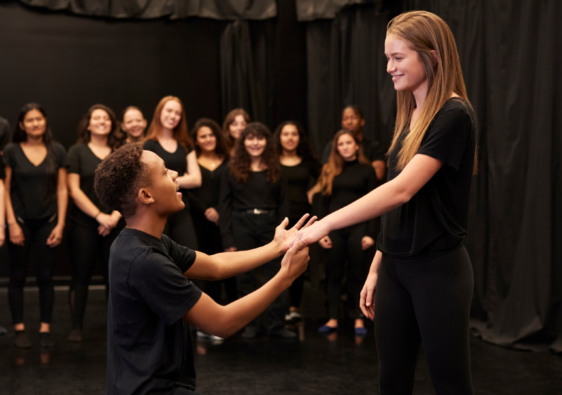
Secondary school is also where many students discover what truly excites and motivates them. From music and drama to coding and debating, extracurricular activities offer students the chance to try new things and uncover hidden talents. These experiences not only bring joy and balance to school life but often shape career aspirations and personal identity. A student who struggles with maths might find their confidence soaring on the football pitch or in a creative writing club.
Preparing for the Future
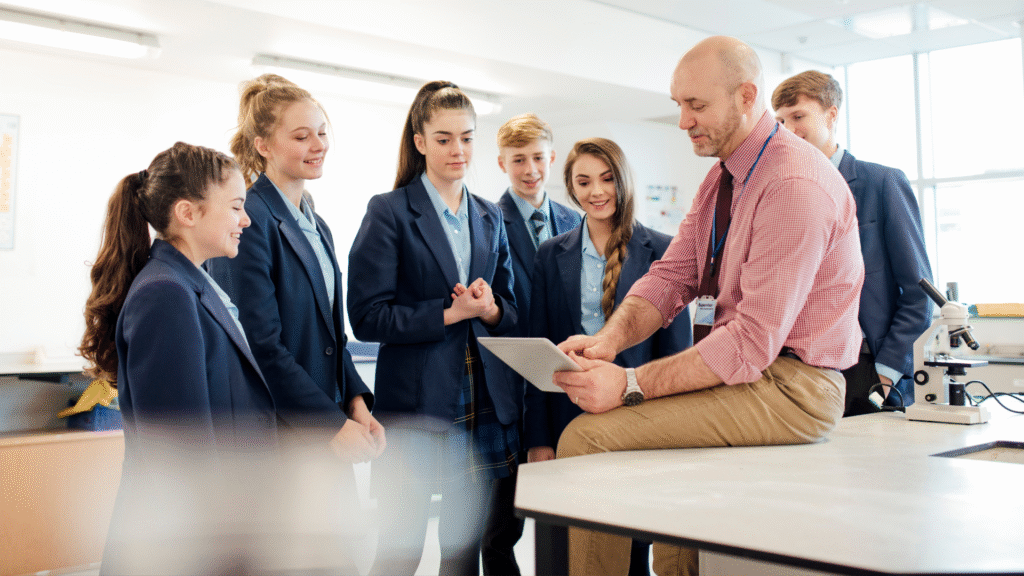
While academic success opens doors, it’s often the non-academic qualities developed in secondary school that help students walk through them. Confidence in public speaking, the ability to adapt to new situations, and emotional resilience are all assets that benefit students in higher education, apprenticeships and the workplace. Employers and universities alike increasingly value these ‘soft skills’ when assessing candidates.
Academics will always be important, but secondary school is not just a stepping stone to further education. It’s a space where young people begin to understand who they are, what they stand for, and how they fit into the world. Schools that embrace a holistic approach to education—nurturing both minds and hearts—are setting students up not just for exams, but for life.